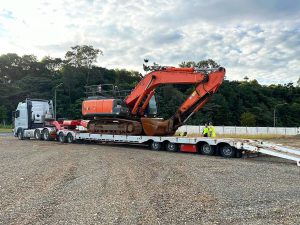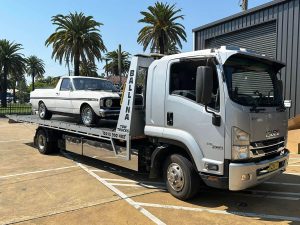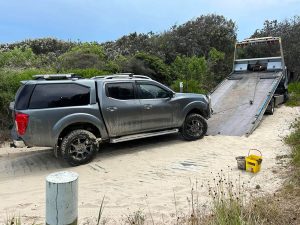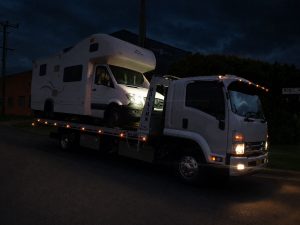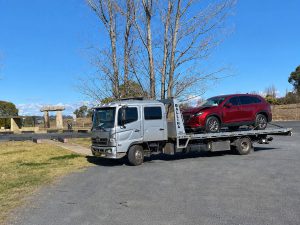
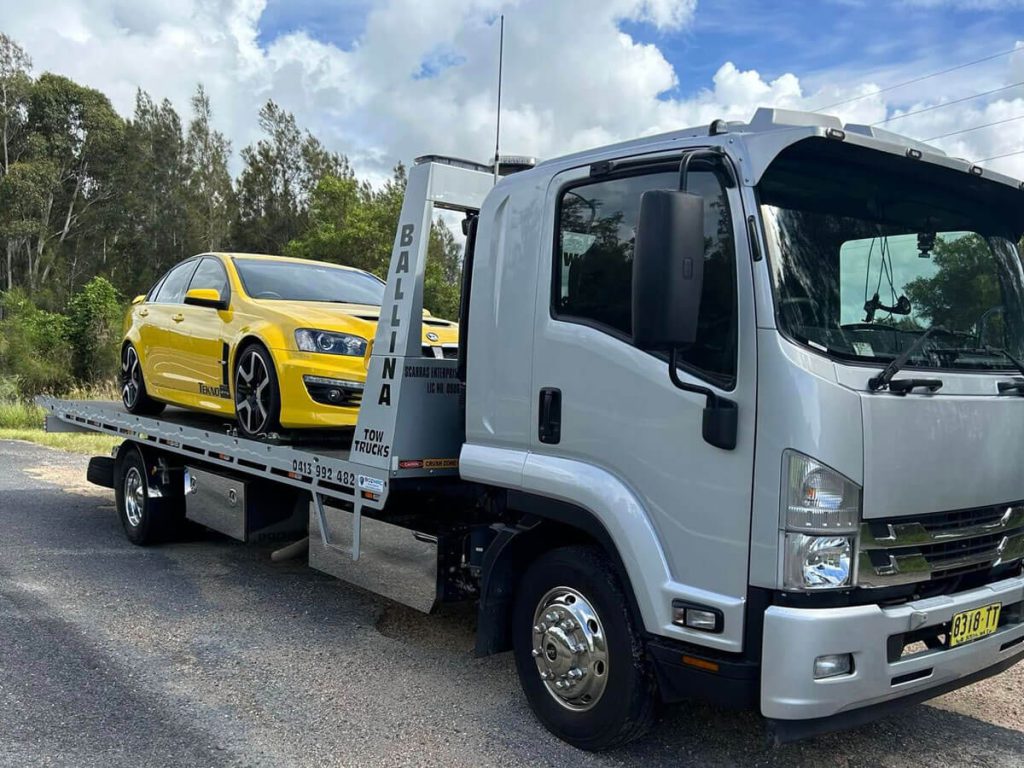
Arranging vehicle transport is a smart option when a car, 4WD, ute or non-running vehicle needs to be moved safely from one location to another. Whether you have bought a vehicle privately, need a car taken to a mechanic, are moving an unregistered vehicle, or need planned transport across Ballina or the Northern Rivers, a little preparation can help make the job smoother.
At Ballina Tow Trucks, we transport vehicles for a wide range of customers, including locals, businesses, workshops, buyers, sellers and vehicle owners who need a safe, reliable towing solution. Before your vehicle is collected, here are a few simple steps to help prepare it for transport.
Tips to Prepare a Vehicle for Transport
Confirm the Pickup and Drop-Off Details
Before booking vehicle transport, make sure you have the correct pickup and delivery details ready.
This includes:
- Pickup address
- Delivery address
- Preferred date or timeframe
- Contact person at each location
- Any access instructions
- Whether the vehicle is at a home, business, workshop, car park, rural property or roadside location
- Clear information helps the towing operator plan the job properly and avoid delays on arrival.
Check Whether the Vehicle Runs, Rolls and Steers
One of the most important things to confirm is the condition of the vehicle. A vehicle that starts and drives is usually easier to move than one that is non-running, locked, damaged or unable to roll.
Let the towing company know if the vehicle:
- Starts or does not start
- Rolls freely
- Steers properly
- Has working brakes
- Has flat tyres
- Has damage
- Has keys available
- Is unregistered
- Is stuck, blocked in or difficult to access
- This helps Ballina Tow Trucks assess the best way to load and transport the vehicle safely.
Remove Personal Items and Valuables
Before your vehicle is transported, remove personal belongings, valuables and loose items from inside the vehicle.
This may include wallets, electronics, tools, documents, sunglasses, garage remotes, work equipment, child seats or anything stored in the boot. While professional towing operators take care when transporting vehicles, it is always best to remove items that could be lost, damaged or move around during transport.
Take Photos Before Transport
Taking a few photos before the vehicle is collected is a simple way to keep a record of its condition.
Photos can include:
- Front, rear and both sides
- Existing scratches or dents
- Wheels and tyres
- Interior condition, if needed
- Any accident damage
- Vehicle position before pickup
This is especially useful for private sales, accident-damaged vehicles, unregistered cars, project vehicles or vehicles being moved between different owners or locations.
Make Sure There Is Safe Access
Access can make a big difference when transporting a vehicle. If the vehicle is parked in a tight driveway, underground car park, narrow street, shed, paddock, sloped property or behind other vehicles, let the towing operator know in advance.
Helpful access details include:
- Street width
- Driveway slope
- Gate access
- Height restrictions
- Soft ground or wet grass
- Narrow turning areas
- Whether other vehicles need to be moved first
- Whether the vehicle is blocked in
The more detail you provide, the easier it is to plan a safe and efficient pickup.
Secure or Remove Loose Parts
If the vehicle has loose panels, damaged bumpers, hanging parts, broken mirrors, unsecured accessories or accident damage, mention this when booking the transport.
Where safe to do so, loose parts should be secured or removed before transport. This can help prevent further damage and reduce the risk of parts moving during loading or travel.
Check Fuel, Fluids and Leaks
You do not usually need a full tank of fuel for vehicle transport, but it is helpful to let the towing operator know if the vehicle has fuel leaks, oil leaks, coolant leaks or other fluid issues.
If the vehicle has been involved in an accident or has been sitting for a long time, check for obvious leaks if it is safe to do so. Do not attempt repairs or inspections in unsafe locations, on busy roads or where there is traffic nearby.
Have the Keys Ready
If keys are available, make sure they are ready for pickup. Keys can make it easier to unlock the vehicle, release steering locks, put the vehicle in neutral, access the handbrake and prepare the vehicle for loading.
If the keys are missing, let the towing company know before the job is booked, as this may affect how the vehicle can be moved.
Confirm the Destination Is Ready
Before the vehicle is transported, make sure the drop-off location is ready to receive it. This is especially important for workshops, storage yards, rural properties or private residences.
Check whether:
- Someone will be there to receive the vehicle
- The destination has clear access
- The vehicle can be left safely
- The repairer or workshop is expecting the vehicle
- Any gates, codes or instructions have been provided
- Payment or paperwork is organised, if required
- A smooth delivery starts with a clear plan.
Preparing your vehicle properly can help make transport safer, easier and more efficient. Whether the vehicle is running, unregistered, non-running, accident-damaged or simply needs to be moved from one place to another, professional towing can save time and reduce stress.
Ballina Tow Trucks provides vehicle transport, car towing, breakdown towing, accident towing, caravan towing and more transport services across Ballina, the Northern Rivers and Northern NSW.
Need to move a vehicle in Ballina or the Northern Rivers? Call Ballina Tow Trucks on 0413 992 482 or request a quote for safe, reliable vehicle transport.